Correction of Metabolic Alkalosis May Involve Which of the Following
Corrected normal anion gap 02albumin x 15phosphate where albumin is in gL and phosphate in mmolL - with hypokalaemia. Treatment of metabolic alkalosis is based on the elimination of generation and maintenance factors chloride and potassium repletion enhancement of renal bicarbonate excretion such as acetazolamide direct titration of the base excess hydrochloric acid or if accompanied by kidney failure low-bicarbonate.

Nursing School Nursing School Studying Nursing School Notes Nursing School Survival
Because of electroneutrality requirements it is not possible to give chloride alone so giving chloride is equivalent to giving saline in most cases.

. Chloride-depletion metabolic alkalosis urine chloride. Renal impairment of HCO 3 excretion must be present to sustain alkalosis. Chloride-wasting diarrhea villous adenoma laxative abuse.
A typical respiratory response to all types of metabolic alkalosis is hypoventilation leading to a pH correction towards normal. Symptoms of metabolic alkalosis include tachycardia dysrhythmias muscle weakness and lethargy. Aetiology is not understood but correction of the alkalosis requires correction of the potassium deficit urinary chloride losses are high 20mmoll Bartters syndrome.
Chloride responsive etiologies include loss of hydrogen via the gastrointestinal tract congenital chloride diarrhea syndrome contraction alkalosis diuretic therapy post-hypercapnia syndrome cystic. You have Alkalosis when H decreases and you have excess or increased HCO3- base. Severe symptoms need immediate attention.
Chloride administration 1 is essential for correction of chloride-depletion metabolic alkalosis and the alkalosis can be corrected with chloride even if volume depletion persists. Metabolic alkalosis involves a primary increase in serum bicarbonate HCO 3- concentration due to a loss of H from the body or a gain in HCO 3-As a compensatory mechanism metabolic alkalosis leads to alveolar hypoventilation with a rise in arterial carbon dioxide tension PaCO. Your care depends on the metabolic alkalosis cause and severity of your symptoms.
Correction of metabolic alkalosis may involve which of the. Chloride responsive with urine chloride less than 10 mEqL and chloride resistant with urine chloride greater than 20 mEqL. The course of metabolic alkalosis can be divided into gen-eration maintenance and correction phases 6.
Metabolic alkalosis most commonly results from severe cases of vomiting that cause you to lose the acidic fluids in your stomach. The Respiratory System will try to compensate by increasing ventilation to blow off CO2 acid and therefore decrease the Acidosis. Metabolic acidosis gets all the headlines but metabolic alkalosis is the most common acid-base disorder in hospitalized patients 123The prevalence of metabolic alkalosis can be attributed to three factors.
See Case History 18 in Section 96 The general factors causing maintenance of high bicarbonate levels in this situation are the same as those involved in maintenance of a metabolic alkalosis. Metabolic alkalosis is split into 2 main categories. Correction of metabolic alkalosis may involve which of the following.
In these transient states the urinary pH should be relatively alkaline 62. PH may be high or nearly normal. Classic distal type 1 RTA - with hyperkalaemia.
Conventional conservative treatment of metabolic alkalosis involves meeting the patients fluid and electrolyte needs and allowing the body to correct the alkalosis through its own mechanisms. Hyperkalaemic distal RTA hypoaldosteronism type. Consequently the bicarbonate level can remain persistently elevated.
Symptoms of alkalosis are often due to associated potassium K loss and may include irritability weakness and muscle cramping. Compensation metabolic alkalosis may occur transiently pro-vided that chloride intake is adequate. However when more rapid resolution of the alkalosis is needed or the patient cannot tolerate fluid and electrolyte therapy mineral acids may be administered.
This state is referred to as post-hypercapnic alkalosis. Metabolic alkalosis is defined as elevation of the bodys pH above 745. Usually patient is hypovolemic and this responds to saline therapy Vomiting or nasogastric suction.
Common causes include prolonged vomiting hypovolemia diuretic use and hypokalemia. Increases in arterial blood pH depress respiratory centers. Correction of metabolic alkalosis requires that plasma bicarbonate concentration and renal bicar-bonate threshold be reduced to normal levels.
51 rows Res 140 ex 3. Acute metabolic acidosis may also cause an increased rate and depth of breathing confusion and headaches and it can lead to seizures coma and in some cases death. Metabolic alkalosis treatment uses an intravenous IV line to deliver fluid and other substances such as.
This can usually be reversed by treatment with a saline solution. Mild cases might not require treatment. Generation occurs by loss of protons from the ECF into the external.
Treatment of metabolic alkalosis usually involves treating the underlying cause. The Kidneys try to adjust for this by excreting H and retaining HCO3- base. Alternatively a correctedvalue for a a normal anion gap assuming K is included in calculation of aniongap can be otained from.
Metabolic alkalosis is primary increase in bicarbonate HCO 3 with or without compensatory increase in carbon dioxide partial pressure P co2. If the underlying cause of metabolic alkalosis is prolonged vomiting the patient will likely need an anti-emetic to control their vomiting. The resulting alveolar hypoventilation tends to elevate PaCO2 and restore arterial pH toward normal.
Cases have been reported of patients with metabolic alkalosis and severe hypokalaemia K 2 mmoll due to severe total body potassium depletion. What therapies might I receive. Restoring normal fluid volume administering acidifying agents and restoring normal K and Cl- levels In order to eliminate the influence of PCO2 changes on plasma HCO3- concentrations what additional measures of the metabolic component of acid-base balance can be used.
A common etiologies eg diuretic therapy b a tendency for the alkalosis to be sustained thanks to chloride and c failure to identify and correct the. Al-though recent studies in a variety of clinical and experimental situations have demonstrated clearly that such correction is critically dependent on the provision of adequate chloride 1-8 the precise.
Pin On Nursing
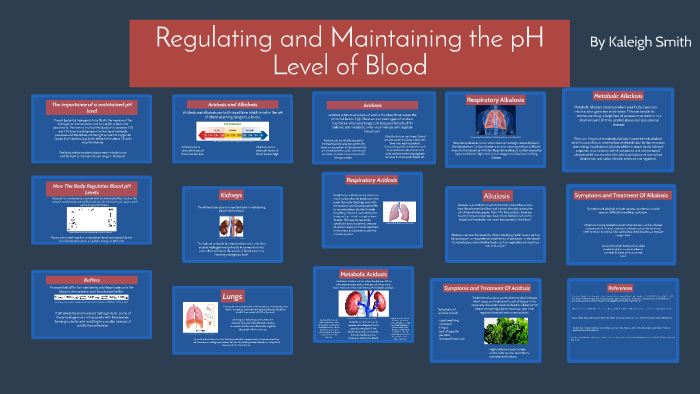
Acidosis And Alkalosis By Kaleigh Smith

Alkalosis


Comments
Post a Comment